



I'm Chad Heisman, founder of Precision Paintworks. After serving in the military, I built this company in 2021 on a pretty simple idea: your home deserves the same care I'd give my own.
I run a veteran and family-owned painting crew right here in Maryland that has successfully completed over 500 painting projects so far. Got a question about your place? Ask me. I'd rather help you get it right the first time than sell you anything.
Trusted painters plan the job with you before a single can is opened, cut clean lines by hand where walls meet ceilings and trim, slow down on doors and small details, and treat your home as a place they still have to earn their way into. None of that shows up as a line item, but you notice it every day after the crew packs up. That’s exactly how we run every job at Precision Paintworks.
Our lead painter sums up the idea in this video: your dream home starts with trust, and a paint remodel is about bringing your vision to life, not just putting color on walls.
That thinking shaped a main-floor remodel we finished in Olney (featured in the video above). That one house shows what trusted painters do on a project: the small things most homeowners never think to check when hiring a painter, yet the ones that indirectly decide how good the finish looks and how long it lasts. At Precision Paintworks, those details aren’t extras. They’re the company culture, the way our whole team works.
Trust Starts Before Any Paint Goes On
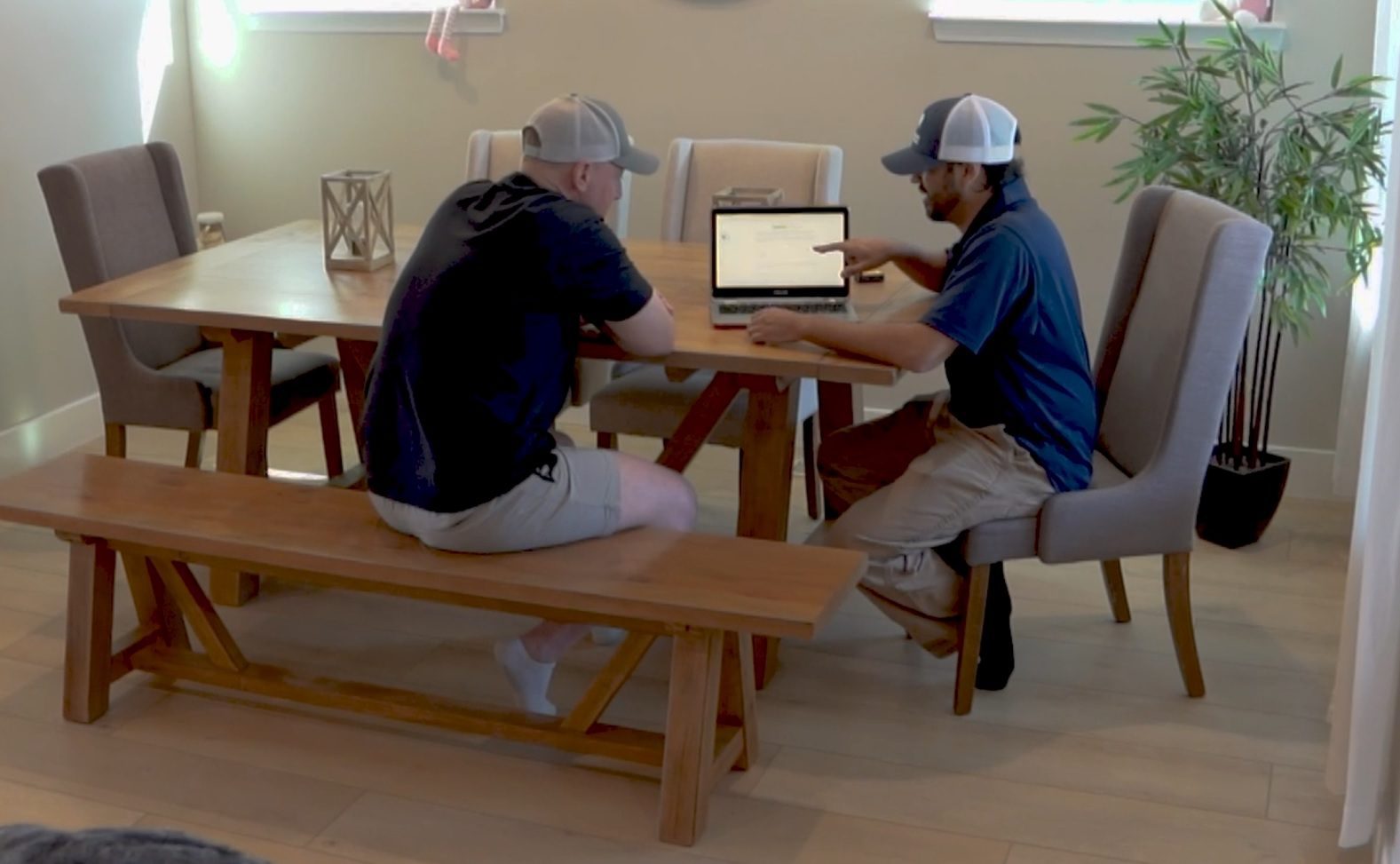
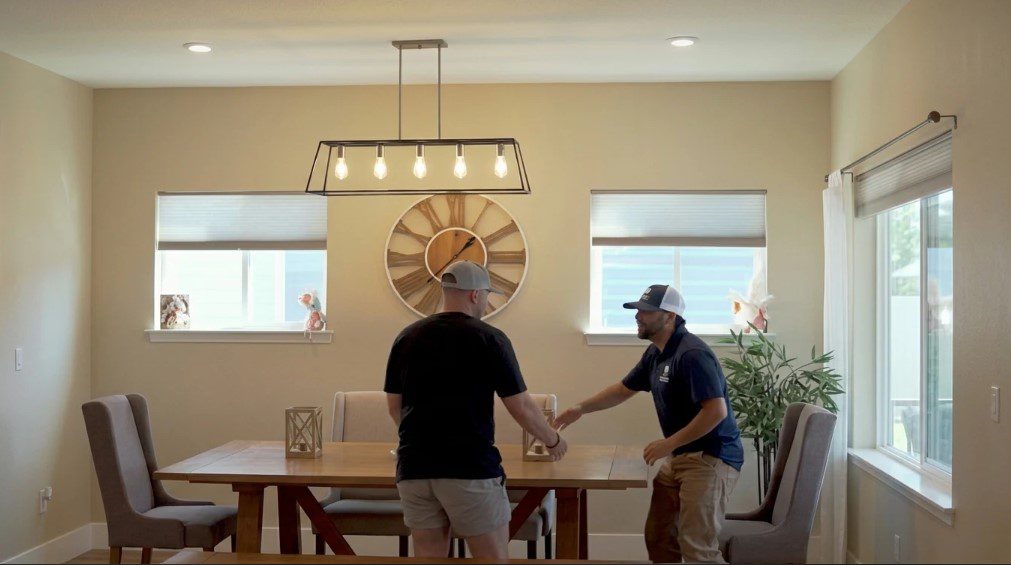
Trust starts with a conversation, not a brush. On our first visit to the Olney house, we walked every room with the family, listened to how they actually use each space, and asked what they pictured once the work was done. Then we told them plainly what each room needed, including two walls that would take extra drywall repair before paint.
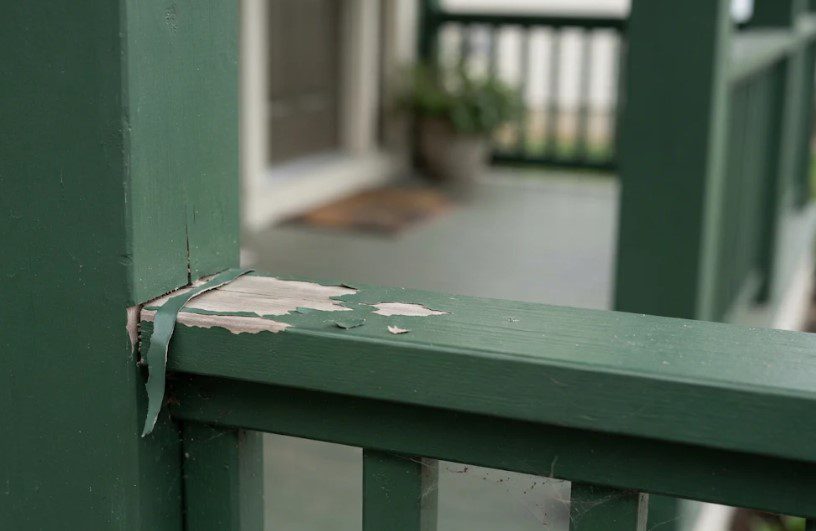
That kind of honesty is a big part of what makes a painter trustworthy. If we spot trouble, you hear about it before you sign anything, not halfway through the job when it costs more.
We Plan the Job With You First
Painting during a home remodel takes more planning than a simple repaint. Carpenters, flooring installers and electricians often work in the same rooms, and paint is the finish that sits on top of all of it. Put it on too early and it gets scuffed and patched for weeks.
So before anything started, we sat down with the family and went through the quote line by line: which rooms, which surfaces, the colors, the sheens and the order everything would happen in. A trusted painting contractor keeps that plan in writing, so you always have something to hold them to.
Our renovation work and painting run under one roof, so on this job we built the painting schedule around the carpentry and held the finish coats until the messy work was done.

The Small Details Show the Quality of the Work
Most people judge a paint job by the color. Trusted painters judge it by the edges, the corners and the surfaces that get touched every day. Attention to detail in painting is a quality you can actually see: a straight line where the wall meets the ceiling, a finish with no drips or ridges, and no paint where it doesn’t belong. On the Olney house, two spots showed it best.
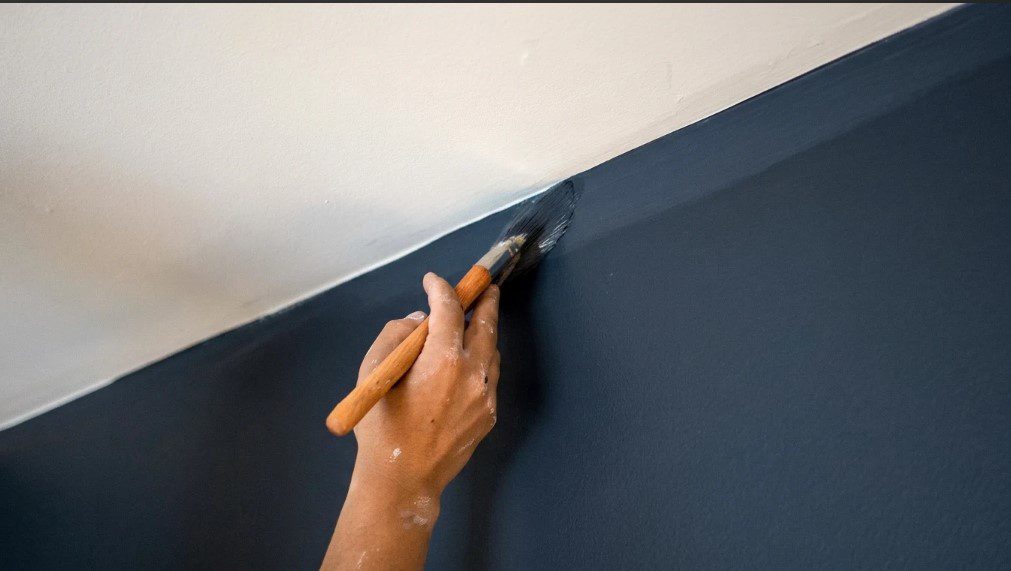
The first was the ceiling line. On a navy wall under a white ceiling, any wobble at the edge shows from across the room. We cut that line freehand with an angled brush, using short, steady passes to keep it tight. A hand-cut line follows the real shape of the ceiling, which is rarely perfectly straight in any house. That kind of painting craftsmanship is easy to skip, because most people never look up until something looks off. We check ceiling lines first on every interior painting job.
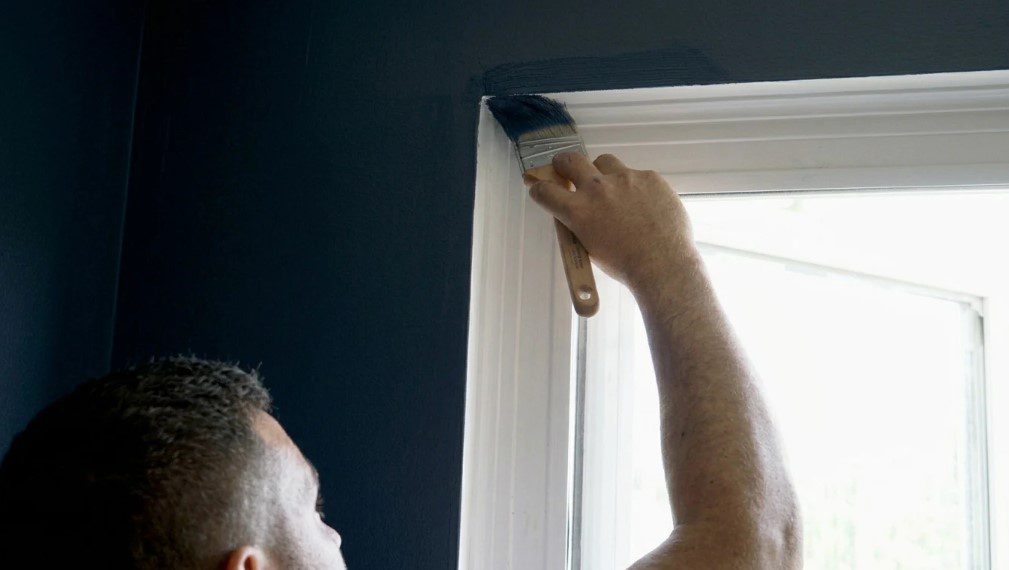
The second was the doors. Doors take more handling than any other painted surface: hands push them, bags bump them, and their edges catch light every time they swing. The doors in this house went white, applied with a small brush that spreads paint evenly.
We worked right up to the frame and glass without letting paint creep onto either. Even coats, sharp edges and clean hinges are basic professional painter standards. Rushed door paint looks fine on day one and sticks to the frame a month later.
We Walk Every Room With You After Painting
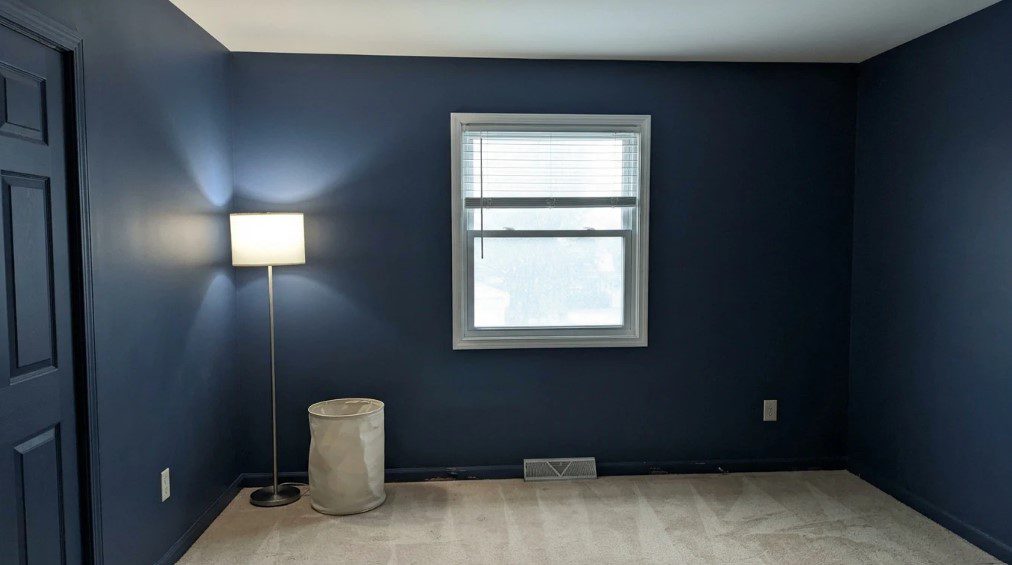
Once the paint dried in Olney, we walked every room with the family in daylight. We checked each ceiling line and door, fixed the few small spots we found together, and cleaned up before closing out the job.
Painter professionalism shows most at the end of a job. What sets professional painters apart is that they want you to find problems while they’re still on site, not after the final payment.
If you’re still choosing a painter, here’s what to look for before you hire.
FAQ: Questions Before Your Remodel Paint Job
Should painting happen before or after other remodel work?
Usually after. Carpentry, flooring and electrical work tend to scuff walls and trim, so paint goes on near the end. Ceilings and walls that need repairs can get primed earlier, with finish coats saved for last.
Do painters use tape for straight lines?
Some do, especially on textured or tricky edges. A steady hand with a good angled brush often gives a cleaner line, because it follows the ceiling’s real shape instead of a straight strip of tape.
Why do dark colors need extra care?
Deep colors show every uneven edge, thin spot and roller mark, especially next to white trim or ceilings. They often need more coats for full coverage, and the edges have to be cut very carefully.
What should a painting quote include?
The rooms and surfaces included, repairs, number of coats, colors, sheens and the order of work. If something is missing, ask before you sign so there are no surprises later.
What happens at a final walkthrough?
You walk each room with the painter in good light and point out anything that bothers you, from a rough edge to a missed spot. Those get fixed before the job is closed out.
Start Your Project With Us
Every remodel ends with paint, and paint is what you look at every day after the dust settles. To get started, plan your project with us. We’ll sit down with you, map out each room and give you a clear written quote.