

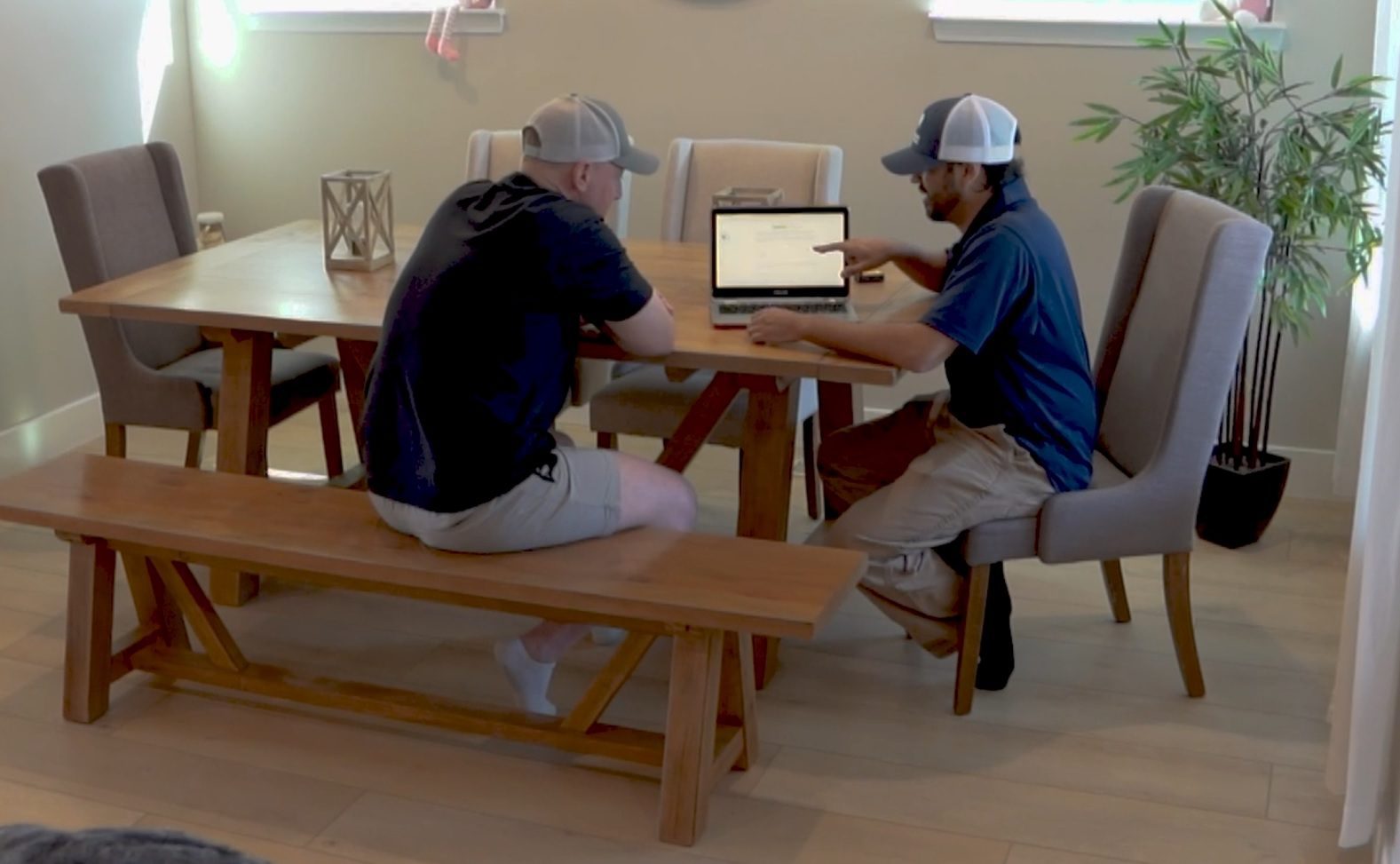

I'm Chad Heisman, founder of Precision Paintworks. After serving in the military, I built this company in 2021 on a pretty simple idea: your home deserves the same care I'd give my own.
I run a veteran and family-owned painting crew right here in Maryland that has successfully completed over 500 painting projects so far. Got a question about your place? Ask me. I'd rather help you get it right the first time than sell you anything.
A good painter shows it before any paint goes on: a detailed written estimate, real prep, named materials, a crew that shows up when promised, and clear updates along the way. A bad one usually shows it too, if you know where to look.
Nobody teaches homeowners how to tell a good painter from a bad one, so most people go by price and a friendly handshake. Neither tells you much about how your walls will look in five years.
Clear Communication and a Steady Crew Tell You Who You’re Dealing With
Two of the most important qualities of a good house painter show up before any paint is opened: how they communicate and who they send. Good communication starts with the first call. A good painter calls back when they say they will, explains things in plain words, and tells you the schedule and who’s in charge. Once work begins, you should know each morning what’s happening that day, and you should hear about surprises like soft wood or a water stain before anything gets painted over.
Dependable crews show up on the days promised, and the same people come back each day. Ask who will actually be in your house. If the answer is “whoever’s free,” that’s worth a follow-up question. On our jobs, our crew runs the work from start to finish, and I keep you posted on the progress.
Proper Preparation Is Where Good Work Starts
Ask any painter to walk you through their prep, and listen for specifics, because professional painter prep work is where most of the hours go. Good prep means;
- filling holes and dents
- sanding patches smooth so they disappear under paint
- caulking open gaps along trim
- washing dirty or greasy walls
- spot-priming repairs
- taping or cutting clean lines at trim and ceilings
Take a room we prepped in Poolesville. The damage on that wall was minor: two small anchor holes and one spot about the size of a quarter where a bracket had torn the drywall paper. We filled each one, sanded it flush and feathered the edges wide so no ridge would show, then taped the window casing and baseboard for clean lines. The patches got primer before any finish coat, because bare filler soaks up paint differently and would have shown through as dull spots. All of that took about four hours, and painting the wall took about two.
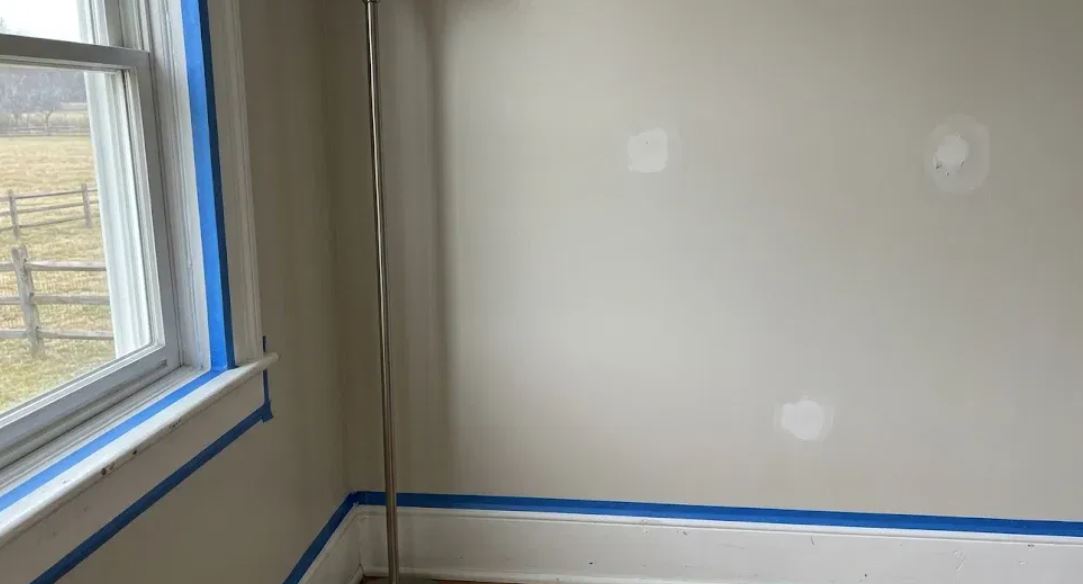
A rushed painter skips these steps because fresh paint hides the shortcuts on day one. Unprimed patches and rough edges show up a few weeks later, once the paint dries.
Watch How They Protect Your Home
In the cheap painter vs professional painter comparison, the gap between a low bid and a fair one is rarely the paint. It’s time: time spent protecting your home, prepping, applying full coats and cleaning up. When one quote comes in far under the rest, something from that list is usually missing. If you’ve wondered why painting prices vary so much from one company to the next, most of the difference is labor.
Protection is the easiest place to see it. Before we open a can, floors go under canvas drop cloths, furniture is grouped and wrapped in plastic, and tape runs along the baseboards. A low bidder who plans to work around your couch is saving time at your expense.
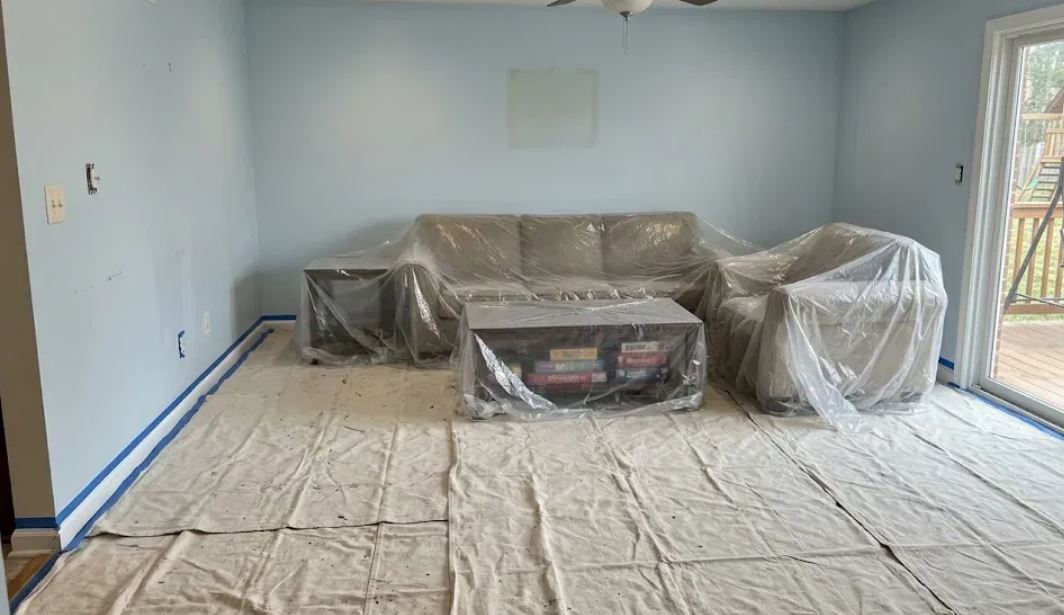
A cheap job also tends to come back around. Fixing a room that peeled or went patchy costs more than doing it right the first time, because the failed paint has to be dealt with first.
The Materials and Small Details Give a Painter Away
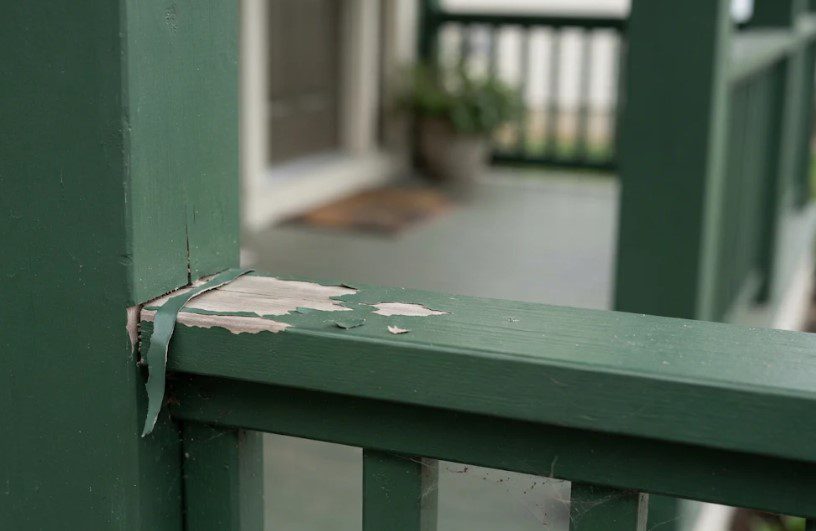
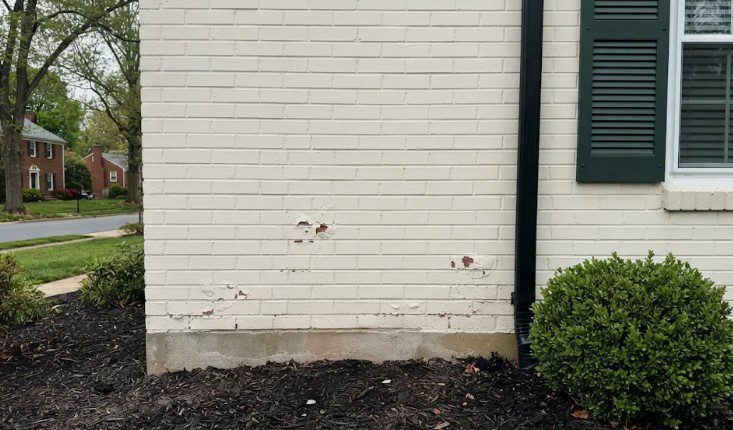
When you’re judging a painter’s past work, or your own walls after a job, the signs of a bad paint job are easy to spot once you know them:
- paint on outlet covers
- hinges and window glass
- wavy lines where the wall meets the ceiling
- patches that look duller or shinier than the wall around them
- roller marks or thin spots where the old color peeks through
- drips on trim
- peeling within the first year or two
Each one points back to a skipped step.
Materials play a part here too. Lower-grade paint carries less pigment and hides less, which is why a cheap job can look fine the day it’s finished and tired by spring. Attention to detail is mostly the unglamorous stuff: taking off switch plates instead of painting around them, cleaning up at the end of every day, and a final walk-through before anyone calls the job done.
Check out how we handle communication, prep, materials, crews and detail on our own jobs in this short video.
FAQ
How many estimates should I get?
Three is a good number. It gives you a feel for the price range and shows you which contractor explains the work clearly. If one quote is far below the others, ask what it leaves out.
Is it okay if the owner isn’t on site every day?
Yes, as long as someone on the crew is in charge and you know who that is. You should have one name and number to call with questions, and get updates without having to chase them.
What paint should be listed in my quote?
The quote should name the product line and sheen for each surface, not just say “paint.” Knowing the exact grade lets you compare quotes fairly and check that what’s delivered matches what was promised.
Can I ask to see a job in progress?
A painter confident in their work will usually say yes, or share photos and references from recent jobs. Seeing how a crew leaves a house at the end of a workday tells you plenty.
What should happen at the end of the job?
A final walk-through, room by room, with the person in charge. Point out anything you see, and expect touch-ups to be handled before the final payment, along with a written warranty if one was promised.
Put Every Painter Through the Same Test
Use these points on every quote you collect, including ours. The painter who answers them clearly and without hesitation is usually the one worth hiring. If you’d like to see how we measure up, ask for a written estimate and hold us to every line of it.