


I'm Chad Heisman, founder of Precision Paintworks. After serving in the military, I built this company in 2021 on a pretty simple idea: your home deserves the same care I'd give my own.
I run a veteran and family-owned painting crew right here in Maryland that has successfully completed over 500 painting projects so far. Got a question about your place? Ask me. I'd rather help you get it right the first time than sell you anything.
Flat or matte paint hides wall imperfections best because it does not reflect light. Proper prep, patching, and skim coating are what actually fix the flaws, not the paint itself.
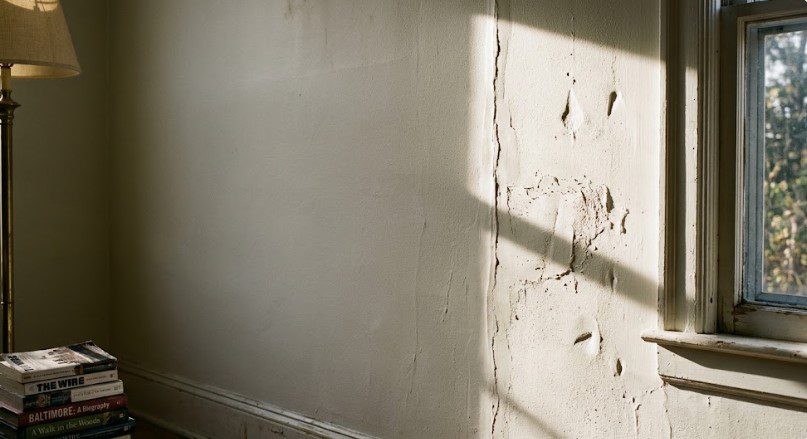
Raking light from windows or lamps makes every bump, crack, and old patch stand out. Paint can soften the look of minor texture, but it cannot hide deep damage, bad seams, or water stains. The real work happens on the wall before any color goes on.
Which Paint Finish Hides Imperfections Best
Flat and matte finishes hide the most because they scatter light instead of bouncing it back. The way matte finishes absorb light, rather than the color itself, is what softens a flawed wall. Eggshell is the practical compromise for most living spaces. Satin, semi-gloss, and gloss highlight every remaining mark.
Here is a quick reference:
| Finish | How Well It Hides Flaws | Cleanability | Best Use |
|---|---|---|---|
| Flat / Matte | Best | Poor | Ceilings, low-traffic rooms, hiding texture |
| Eggshell | Good | Fair | Living rooms, bedrooms |
| Satin | Fair | Good | Hallways, kids’ rooms |
| Semi-gloss | Poor | Excellent | Kitchens, baths, trim |
| Gloss | Worst | Excellent | Doors, cabinets, high-abuse areas |
Cheap thin paint makes flaws more obvious because it does not build enough film. Quality paint in the right sheen plus extra coats helps, but only after the surface is sound.
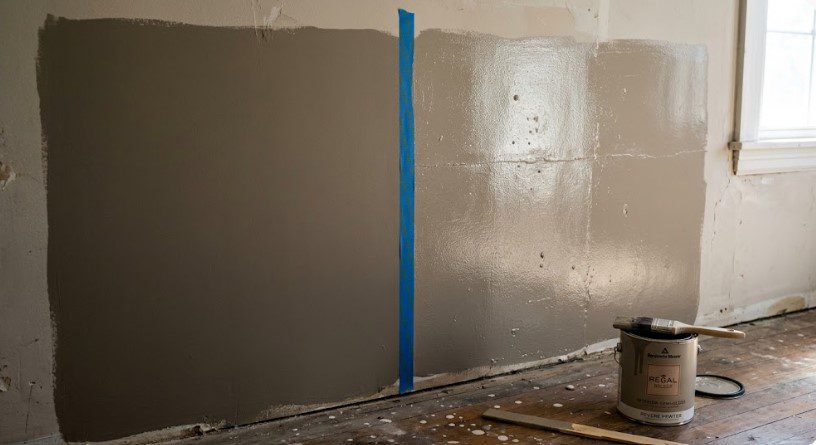
The Prep That Actually Hides Wall Imperfections
Paint alone only covers so much. The real work is in the wall itself. As part of drywall finishing, we patch, tape, and skim the wall before any color goes on.
We start by patching holes, dents, and cracks with the right compound. Seams get taped and feathered so they disappear. For walls with widespread texture, old repairs, or orange peel that no longer matches, a full skim coat levels everything. Then we sand, prime, and paint.
Primer is not optional. It seals patches, equalizes absorption, and prevents flashing that would otherwise telegraph every repair.
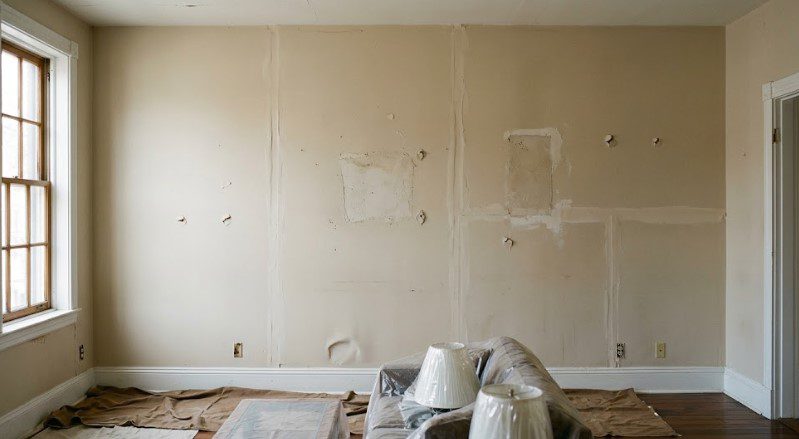
A skim coat is a thin layer of joint compound troweled over the entire wall. It creates a new, uniform surface. We do this on many older DMV homes where the original drywall or plaster has too many layers of damage.
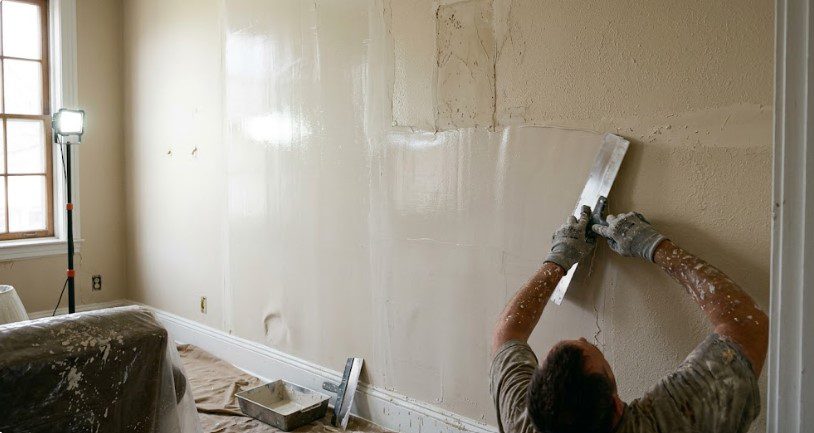
After the compound dries we sand it smooth. Dust control and a good vacuum sander keep the mess down. Proper sanding is what makes the skim coat invisible once painted.
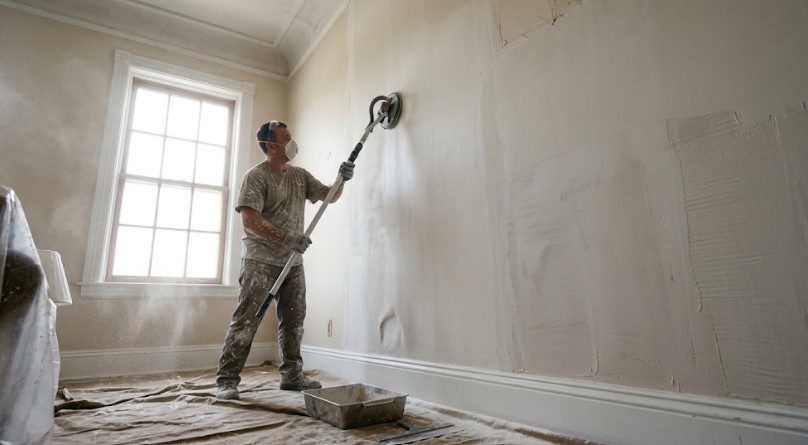
Paint Quality, Coats, and Roller Technique
Interior painting only looks flawless when the surface under it is sound. Thicker nap rollers (3/8 inch or 1/2 inch) add a slight texture that further disguises remaining minor flaws. We use them on walls that will stay flat or eggshell. High-quality paint builds better coverage in fewer coats and hides small texture better than builder-grade product. Two coats over primer is the minimum. Three coats on problem walls is common.
Texture Options for Badly Damaged Walls
When a wall is too far gone for a simple skim, we offer knockdown or orange-peel texture. These finishes hide a lot of damage and match many existing homes in Maryland, DC, and Northern Virginia. A full skim to smooth is the other option if the homeowner wants a modern, flat look. Both beat trying to hide serious damage with paint.
Color and Lighting Tricks
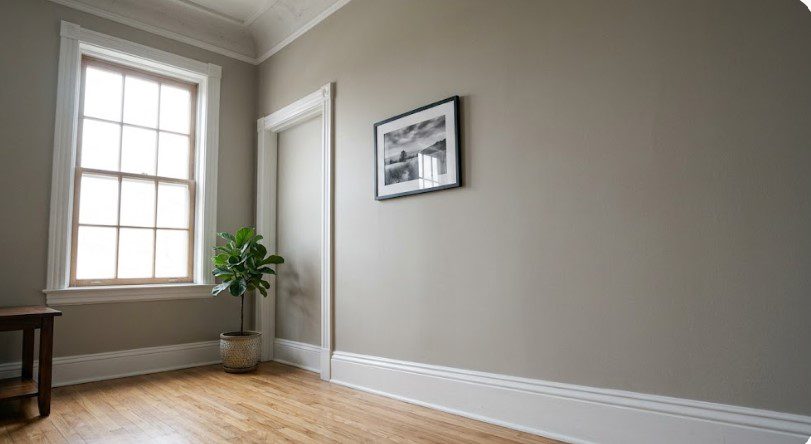
Mid-tone and muted colors hide imperfections better than stark white or very dark shades. White reflects every shadow. Dark colors show every ridge. Soft grays, taupes, and warm neutrals are the colors we recommend most for problem walls.
Lighting is the other factor. Windows, sconces, and recessed lights that graze the wall will always reveal more than overhead lighting. We test colors and sheens in the actual room light before the final decision.
When Paint Will Not Cut It
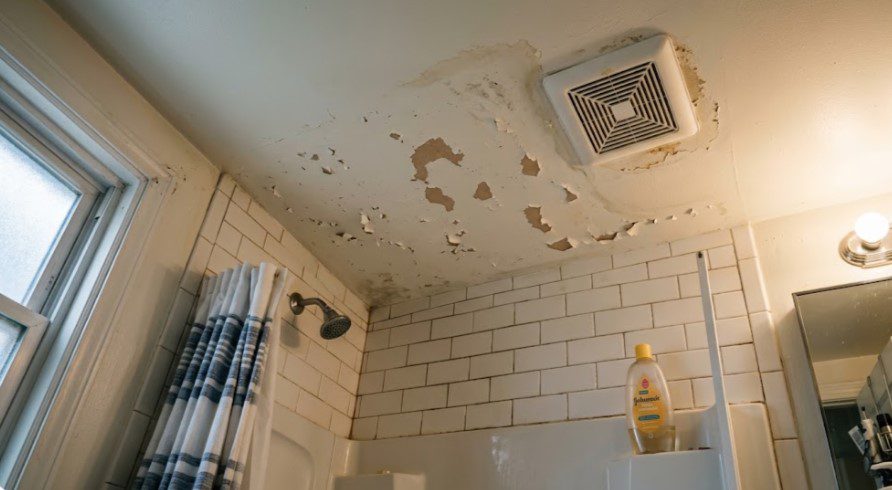
Deep gouges, failing drywall, water stains, or seams that keep telegraphing need repair first. Painting over them wastes money. We handle both the drywall finishing and the painting, so the wall is actually ready. If your walls need more than paint, we do skim coating and drywall repair too. Free estimate across the DMV.
Frequently Asked Questions
What paint hides wall imperfections best?
Flat or matte paint hides the most because it does not reflect light. Eggshell is the next best for rooms that need some washability.
Does flat paint hide flaws?
Yes. It minimizes the appearance of texture, patches, and minor waves. It does not fix the wall. Prep still comes first.
Can paint hide bad drywall?
Only minor issues. Bad seams, large patches, or damaged drywall need taping, skim coating, or replacement before paint will look good.
What color hides wall imperfections?
Mid-tone muted colors such as soft gray or taupe hide more than bright white or very dark shades. Lighting in the room also affects how much shows.
Is skim coating worth it?
Yes when walls have widespread damage or old repairs. It creates a new smooth surface that paint can actually finish well. It is cheaper than replacing drywall in most cases.
Does a thicker roller nap help hide imperfections?
A 3/8-inch or 1/2-inch nap adds slight texture that disguises small flaws, especially with flat or eggshell paint. It is not a substitute for proper patching and sanding.
How do you hide wall imperfections without replacing drywall?
Patch, tape, skim coat if needed, sand, prime, then paint with the right sheen and quality product. That sequence hides far more than paint alone.